
How much interest can I earn tax free?
A basic rate taxpayer can earn £1,000 of interest a year without paying tax on it, a higher rate taxpayer £500 and an additional rate taxpayer nothing.
A basic rate taxpayer can earn £1,000 of interest a year without paying tax on it, a higher rate taxpayer £500 and an additional rate taxpayer nothing.
If your other taxable income is below £17,570, the starting rate for savings covers up to £5,000 of interest as well.
The advisers for this subject: Sunny Bharj and Tony Springer
The personal savings allowance depends on your income tax band, and the band is found by adding all your interest to your other income. A salary of £50,000 and £600 of interest make £50,600, which is over the £50,270 higher rate threshold, so the allowance is £500.
With no other income at all, the allowances stack: £12,570 of personal allowance, £5,000 of starting rate and £1,000 of personal savings allowance, so the first £18,570 of interest in 2026/27 is free of tax.
Interest on a cash ISA is paid without tax and does not use your personal savings allowance, so money in a cash ISA leaves the whole allowance for interest elsewhere. You can pay into more than one cash ISA in a tax year within the £20,000 total: Can I have more than one ISA?
From 6 April 2027 anyone under 65 can pay no more than £12,000 a year into cash ISAs. What is changing with cash ISAs in April 2027?
With no other income at all, the first £18,570 of interest in 2026/27 is free of tax.
Per person. HMRC adds together the interest from all your savings accounts and sets one allowance against the total.
It is taxed at your income tax rate: 20%, 40% or 45% in 2026/27, rising to 22%, 42% and 47% from 6 April 2027. On £1,300 of interest, a basic rate taxpayer pays 20% on £300, which is £60.
Yes. An additional rate taxpayer has no personal savings allowance, so all interest outside an ISA or other tax-free account is taxed.
Yes, each person has their own. On a joint account HMRC splits the interest equally between you unless you tell it the money is held differently.
HMRC's tool on gov.uk, Check how much tax you pay on dividends and interest from savings, is for people on tax code 1257L who do not file a Self Assessment return.
Where your savings sit, and in whose name, decides how much of the allowance each of you uses.
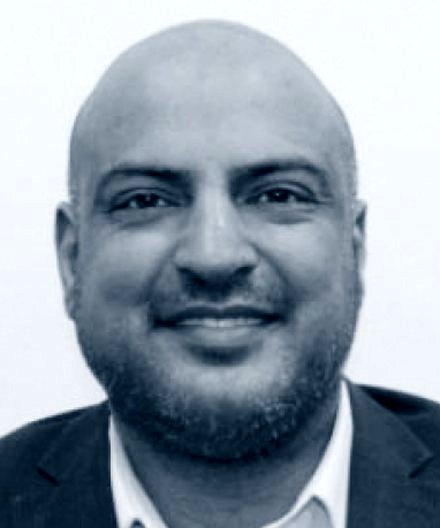
Independent Financial Adviser
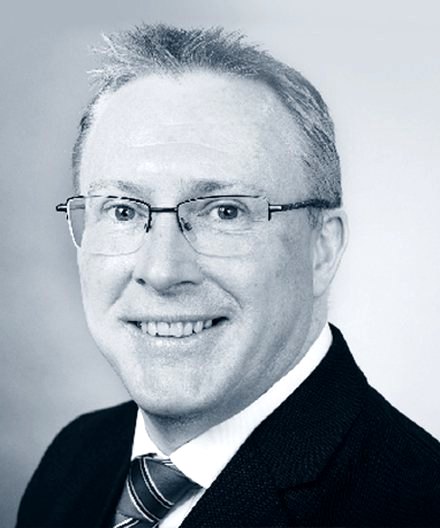
Independent Financial Adviser
Your first call is with an Account Manager and is at no cost to you. Tell us what is on your mind: a pension you have lost track of, a fixed rate ending, a will you keep meaning to write.