Where this fits
Sell in March instead of April and you use a different year's exemption. That kind of decision has to be made before the sale, not after it.
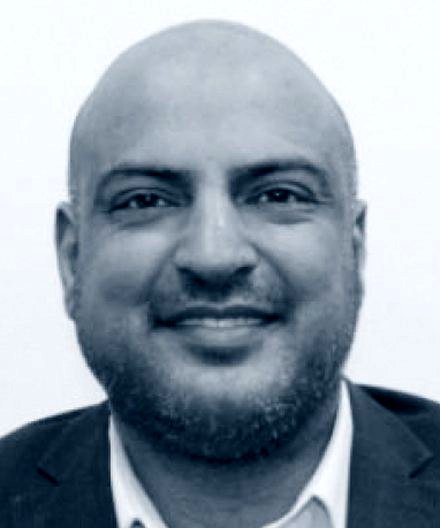
Sunny Bharj
Independent Financial Adviser
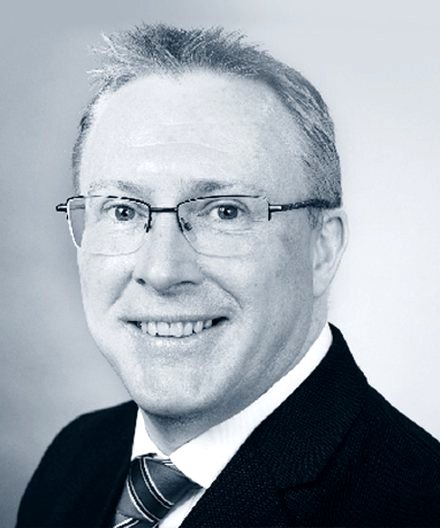
Tony Springer
Independent Financial Adviser
£3,000 of gains in a tax year, after any losses. Above that you pay 18% on gains falling within your remaining basic rate band and 24% on the rest.
Across everything you sold, using the price you sold for less what you paid and the costs of buying and selling.
Losses in the same year come off first, and they can take you below the exemption. Carried forward losses only reduce gains down to the exemption.
£3,000, if you have not used it elsewhere.
The part falling within your remaining basic rate band is taxed at 18%, the rest at 24%.
The exemption is per person, so a married couple or civil partners have £6,000 between them. Transfers between spouses living together happen at no gain and no loss, so an asset can be moved into joint names before a sale and both exemptions used.
The same move can cut the rate as well as the gain, where one of you has unused basic rate band and the other does not. It has to be a genuine transfer of beneficial ownership and it has to happen before the sale.
The exemption was £6,000 in 2023/24 and is £3,000 now. The same profit that produced no bill then can produce one today.
Yes, and substantially. It was £6,000 in 2023/24 and was cut to £3,000 for 2024/25, where it has stayed. Gains that produced no bill a few years ago can produce one now.
No. An unused annual exemption is lost at the end of the tax year.
No. Gains inside an ISA are not chargeable, so they do not use your exemption.
Business Asset Disposal Relief can reduce the rate to 18% for 2026/27 on qualifying disposals, within a £1,000,000 lifetime limit. The conditions include holding at least 5% of the shares and voting rights and being an officer or employee for at least two years.
Sell in March instead of April and you use a different year's exemption. That kind of decision has to be made before the sale, not after it.
Independent Financial Adviser
Independent Financial Adviser
A first conversation of about twenty minutes, at no cost to you. Tell us what is on your mind: a pension you have lost track of, a fixed rate ending, a will you keep meaning to write.