
How much cash should I keep?
MoneyHelper suggests at least three to six months of living expenses in an instant access account, and cash for anything you plan to spend within five years.
MoneyHelper suggests at least three to six months of living expenses in an instant access account, and cash for anything you plan to spend within five years.
The Financial Services Compensation Scheme protects up to £120,000 per person at each bank, building society or credit union.
The advisers for this subject: Sunny Bharj and Tony Springer
MoneyHelper's guidance is at least three to six months of living expenses, covering rent or mortgage, food, utilities and other essential bills, in an instant access account.
Where in that range you sit depends on how quickly your income would restart if it stopped, and on who else relies on it.
MoneyHelper treats anything you plan to spend within five years as a short-term goal for cash deposits, because investments can be down at the point you need to sell.
Cash carries its own risk. Where the interest is below inflation, the money buys less each year.
The personal savings allowance lets you earn £1,000 of interest a year without tax as a basic rate taxpayer, £500 as a higher rate taxpayer and nothing as an additional rate taxpayer. Interest in a cash ISA does not count toward it. How much interest can I earn tax free?
Banks that share a banking licence count as one bank for FSCS protection, so one £120,000 limit covers your money across all of them.
No. It is per person at each bank, building society or credit union, across every account you hold there and with any bank sharing its licence.
You can spread it across banks with separate licences. A balance from a qualifying life event, such as a house sale or an inheritance, is protected up to £1.4 million for six months.
A cash ISA keeps the interest free of tax, within the £20,000 ISA allowance. From 6 April 2027 the cash ISA limit is £12,000 a year for under-65s. Cash ISA changes in April 2027
You can lose cash above the FSCS limit if the bank fails. Within the limit, the risk is that the interest you earn does not keep pace with prices.
List what you hold in cash, where, and what you expect to spend in the next five years before the first conversation.
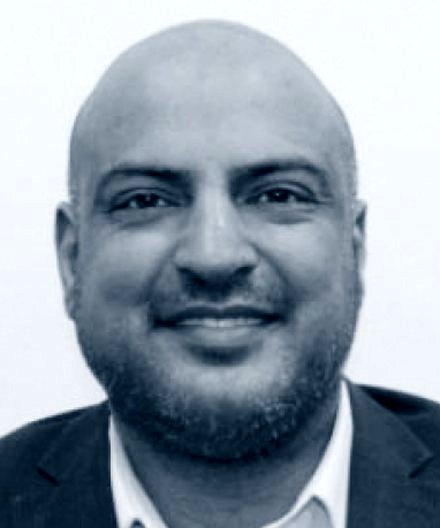
Independent Financial Adviser
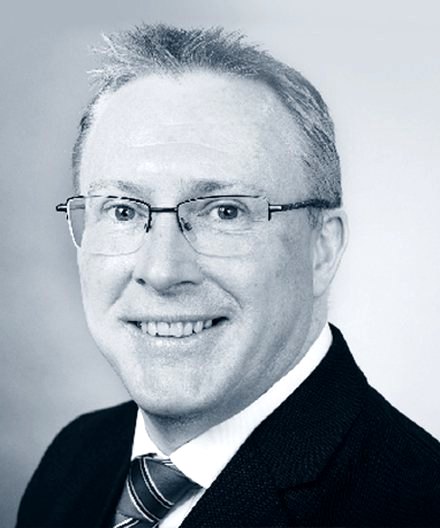
Independent Financial Adviser
Your first call is with an Account Manager and is at no cost to you. Tell us what is on your mind: a pension you have lost track of, a fixed rate ending, a will you keep meaning to write.