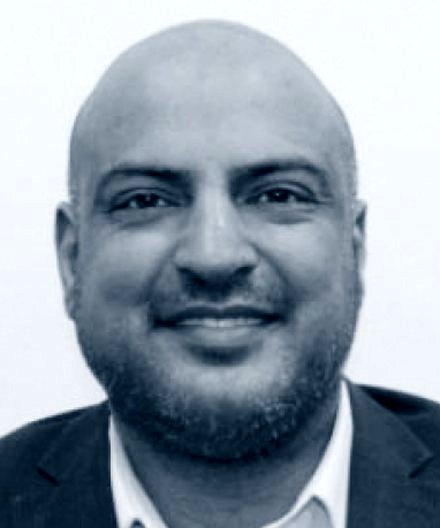
Sunny Bharj
Independent Financial Adviser
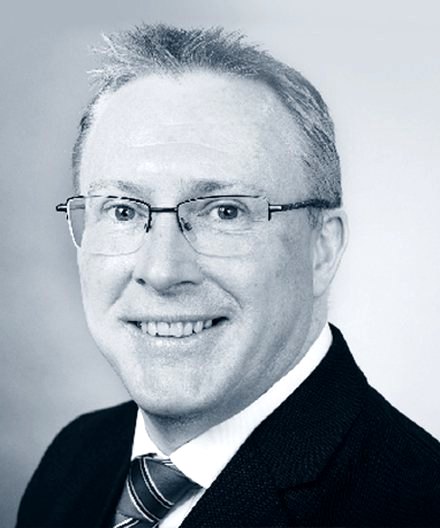
Tony Springer
Independent Financial Adviser
The full new State Pension pays about £12,548 a year. Your own pension pays for the spending above that.
Pensions UK, formerly the Pensions and Lifetime Savings Association, publishes three Retirement Living Standards each year. For one person outside London who owns their home, the 2026 figures are £13,900 a year at the minimum, £32,700 at the moderate standard and £45,400 at the comfortable one.
State Pension: gov.uk, 2026/27 weekly rate of £241.30, multiplied by 52. Retirement Living Standards: Pensions UK, published 3 June 2026, single person, outside London, assuming the home is owned. Tax: gov.uk, 2026/27. All checked 2 October 2026. The sums assume no investment growth and no losses.
For two people the standards are £22,500, £45,400 and £62,700. In London they are higher, from £14,600 for one person at the minimum to £64,800 for two at the comfortable level.
A £100,000 pot gives you £25,000 free of tax and £75,000 taxed as income. Alongside the full State Pension it covers the gap to Pensions UK's moderate standard for one person for about 5.0 years, before any investment growth or loss. Whether that is enough depends on when you stop work and what else you have. The full answer.
A £200,000 pot gives you £50,000 free of tax and £150,000 taxed as income. Alongside the full State Pension it covers the gap to Pensions UK's moderate standard for one person for about 9.9 years, before any investment growth or loss. Whether that is enough depends on when you stop work and what else you have. The full answer.
A £250,000 pot gives you £62,500 free of tax and £187,500 taxed as income. Alongside the full State Pension it covers the gap to Pensions UK's moderate standard for one person for about 12.4 years, before any investment growth or loss. Whether that is enough depends on when you stop work and what else you have. The full answer.
A £300,000 pot gives you £75,000 free of tax and £225,000 taxed as income. Alongside the full State Pension it covers the gap to Pensions UK's moderate standard for one person for about 14.9 years, before any investment growth or loss. Whether that is enough depends on when you stop work and what else you have. The full answer.
A £500,000 pot gives you £125,000 free of tax and £375,000 taxed as income. Alongside the full State Pension it covers the gap to Pensions UK's moderate standard for one person for about 24.8 years, before any investment growth or loss. Whether that is enough depends on when you stop work and what else you have. The full answer.
A £750,000 pot gives you £187,500 free of tax and £562,500 taxed as income. Alongside the full State Pension it covers the gap to Pensions UK's moderate standard for one person for over 37 years, before any investment growth or loss. Whether that is enough depends on when you stop work and what else you have. The full answer.
A £1,000,000 pot gives you £250,000 free of tax and £750,000 taxed as income. Alongside the full State Pension it covers the gap to Pensions UK's moderate standard for one person for longer than any retirement is likely to last, before any investment growth or loss. Whether that is enough depends on when you stop work and what else you have. The full answer.
It depends on the life you want and when you stop work. Pensions UK's moderate standard for one person is £32,700 a year. After the full State Pension that leaves about £20,152 a year to fund yourself.
No. The standards are spending. Pension income above your personal allowance is taxed, so the income you draw has to be higher than the spending figure.
Future returns are not known. The sums show what the money covers on its own. Growth would stretch it further and losses would shorten it.
The value of investments and any income from them can fall as well as rise and you may get back less than you invest. Figures are illustrations using 2026/27 rules and the full new State Pension, with no growth assumed. Tax depends on your circumstances and can change.
Enter your pot, the income you want and a growth rate to see the age the pot runs out and the income tax on each year's withdrawal.
Work it out →Twenty statements about money that sort into four patterns, with a written report on the pattern your answers fit.
Start →Independent Financial Adviser
Independent Financial Adviser
Your first call is with an Account Manager and is at no cost to you. Tell us what is on your mind: a pension you have lost track of, a fixed rate ending, a will you keep meaning to write.