
Trusts for children
A trust lets you set money aside for a child now, with trustees in charge of it until the child is entitled to it.
A trust lets you set money aside for a child now, with trustees in charge of it until the child is entitled to it.
The type of trust decides who pays tax on the money and the age at which the child can take it.
A trust is drawn up by a solicitor. Our advisers advise on how the money in it is invested and how it fits with your gifts, your will and your inheritance tax.
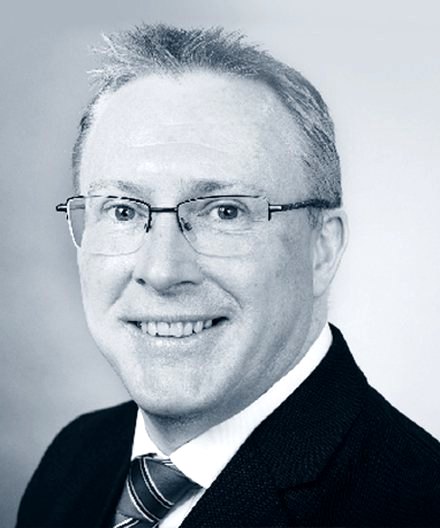
The advisers for this subject: Sunny Bharj and Tony Springer
gov.uk and HMRC manuals, checked 26 October 2026. 2026/27 rates.
The 20% and 6% charges apply to discretionary trusts and most other trusts set up in your lifetime, and the 45% rate to discretionary trusts. A bare trust is taxed as if the child owned the money.
Where money a parent gave to their unmarried child under 18 produces more than £100 of income in a tax year, all of that income is taxed as the parent's. The limit is £100 for each parent, and it applies to money held for the child in a trust as well as in the child's own account.
It does not apply to money from grandparents, other relatives or friends, or to money in a Junior ISA or Child Trust Fund.
Up to £9,000 a year from anyone, in cash or stocks and shares. The child can take it out at 18.
Up to £2,880 a year, topped up to £3,600 by basic-rate tax relief, and locked until the minimum pension age.
Left outright, or on a trust in the will that sets the age at which the child receives it.
Some gifts are exempt from inheritance tax the moment you make them. Others leave your estate only if you survive seven years.
Read more →Yes. Some gifts are exempt immediately with no limit at all, and anything else leaves your estate after seven years.
Read more →A gift leaves your estate completely if you survive seven years from making it.
Read more →It adds up to £175,000 to the ordinary band where a home you lived in passes to your children or grandchildren.
Read more →It depends on when you want the child to have the money and how much control you want the trustees to keep. Income and gains in a bare trust are taxed as the child's, and the child can take everything at 18. A discretionary trust lets the trustees decide, and pays income tax, capital gains tax and inheritance tax charges of its own.
A bare trust cannot: the child can call for everything at 18, or 16 in Scotland. A discretionary trust can, because no beneficiary has a right to the money until the trustees decide to pay it.
A gift into a bare trust for a child is treated like any other gift, and leaves your estate after seven years. A transfer into a discretionary trust is taxed at 20% above the £325,000 threshold when you make it, and the trust can face charges of up to 6% every ten years and when money leaves it.
Yes. The £100 rule applies only to money from parents, so income from a grandparent's gift is taxed as the grandchild's own. How can I leave money to my grandchildren?
Yes. A parent's will can create a trust for a bereaved minor, where the child takes everything by 18, or an 18 to 25 trust, where the child takes it by 25. A will can also leave money on a discretionary trust. What happens if I die without a will?
In general, yes, including a bare trust holding investments. Do I need to register a trust?
The value of investments and any income from them can fall as well as rise and you may get back less than you invest. Tax treatment depends on your circumstances and on current rules, both of which can change. The Financial Conduct Authority does not regulate tax advice, trusts or estate planning.
A bare trust is taxed as the child's and passes to them at 18. A discretionary trust keeps control with the trustees and pays trust rates.
Read the answer →By gifts in your lifetime, payments into a Junior ISA or pension, a trust, or your will. Each is taxed differently.
Read the answer →A Junior ISA takes £9,000 a year and opens at 18. A child's pension takes £2,880, topped up to £3,600, and is locked until at least 57.
Read the answer →Yes, unless it is on HMRC's list of excluded trusts. Bare trusts holding investments for a child are included.
Read the answer →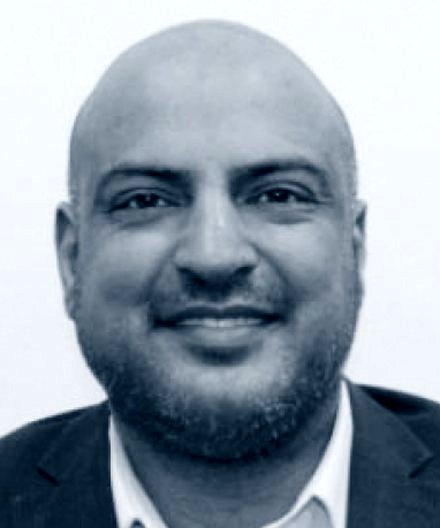
Independent Financial Adviser
Independent Financial Adviser
Twenty statements about money that sort into four patterns, with a written report on the pattern your answers fit.
Your first call is with an Account Manager and is at no cost to you. Tell us what is on your mind: a pension you have lost track of, a fixed rate ending, a will you keep meaning to write.