Enterprise Investment Scheme

The Enterprise Investment Scheme lets a company raise up to £10 million a year, and £24 million in its lifetime, from investors who get 30% income tax relief. Since 6 April 2026 the company can have gross assets of up to £30 million before the share issue, and a knowledge-intensive company can raise up to £20 million a year and £40 million in total.

How EIS works for a growing company

EIS is the scheme for companies past the seed stage. It works the same way as the Seed Enterprise Investment Scheme: the investors get the tax relief and the company carries the conditions. The company must meet the rules when the shares are issued and keep meeting them for at least three years. If it stops, investors can lose their relief.

The limits are far larger than the seed scheme’s £250,000. A company that has used its seed scheme allowance moves on to EIS for the next round, and the seed money counts toward the EIS limits. The annual limit counts every relevant investment in any 12-month period: EIS, venture capital trusts, the seed scheme, social investment tax relief and certain state aid. Venture capital trusts invest under the same company limits, so money from a trust uses up EIS headroom too.

EIS shares must be ordinary shares, with no preferential right to the company’s assets on a winding up and no right to be redeemed, under section 173 of the Income Tax Act 2007. That shapes the round. Where a venture fund wants preference shares, the EIS investors in the same round take ordinary shares, and the company can issue two classes at one completion.

EIS limits at November 2026

£10mthe most a company can raise in any 12 months from EIS, venture capital trusts and other risk finance
£24mthe most it can raise in its lifetime
£30mgross assets before the share issue, and £35 million immediately after
7 yearsthe longest since the company’s first commercial sale

Source: gov.uk, Apply to use the Enterprise Investment Scheme to raise money for your company, updated 6 April 2026, checked 3 November 2026. Higher limits apply to knowledge-intensive companies and lower ones to specified companies in Northern Ireland.

Limits by type of company

Standard companyKnowledge-intensive companySpecified company in Northern Ireland
Raised in any 12 months£10 million£20 million£5 million, or £10 million if knowledge-intensive
Raised in the company’s lifetime£24 million£40 million£12 million, or £20 million if knowledge-intensive
Gross assets before and after the issue£30 million and £35 million£30 million and £35 million£15 million and £16 million
EmployeesFewer than 250Fewer than 500Fewer than 250, or 500 if knowledge-intensive
Age limit7 years from the first commercial sale10 years from the first commercial sale or from annual turnover passing £200,0007 years, or 10 if knowledge-intensive

A specified company has its registered office in Northern Ireland and trades in goods or in the wholesale electricity market. Those companies kept the limits that applied before 6 April 2026.

What changed on 6 April 2026

The Budget on 26 November 2025 doubled the EIS limits for shares issued from 6 April 2026. The annual limit went from £5 million to £10 million, and the lifetime limit from £12 million to £24 million. For knowledge-intensive companies the annual limit went from £10 million to £20 million, and the lifetime limit from £20 million to £40 million. The gross assets test rose from £15 million before the issue and £16 million after to £30 million and £35 million. The same company limits apply to investment from venture capital trusts, whose own investors saw their income tax relief cut from 30% to 20% on the same date. EIS relief for investors stayed at 30%.

A company that was too large for EIS before April 2026 may now qualify, provided it is still within seven years of its first commercial sale, or ten years for a knowledge-intensive company. The age limit did not change, so check both tests before you plan a round around EIS.

The Budget on 28 October 2026 announced further changes for shares issued from 6 April 2027. Under the rules in force at November 2026, raising more than the annual or lifetime limit can remove relief from the whole share issue. From 6 April 2027 relief will be apportioned, so the part of the issue within the limit still qualifies. Seed scheme and EIS shares will be able to be issued on one date, and one investor’s late payment will no longer, of itself, stop relief for the others in the same issue.

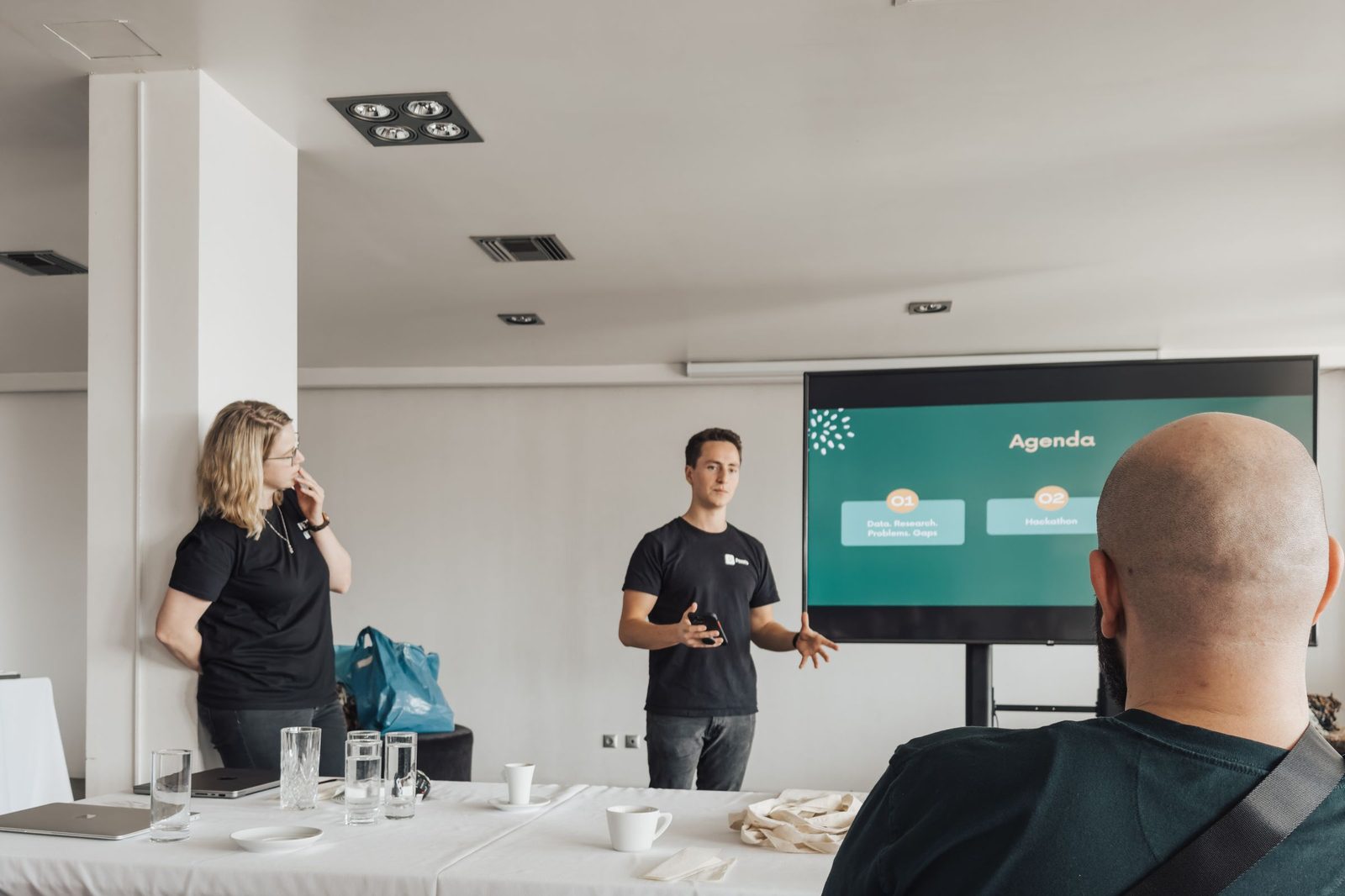
A founder presenting to a group in a meeting room

Knowledge-intensive companies

A knowledge-intensive company gets higher limits, a longer age window and a higher employee cap. To count, it must spend a significant share of its operating costs on research, development or innovation: at least 10% a year for three years, or 15% in one of those three years.

It must also pass one of two further tests. Under the innovation condition, the company is creating intellectual property and expects the majority of its business to come from it within ten years. Under the skilled employee condition, at least 20% of staff carry out research for three years, in roles that need a relevant Masters degree or higher.

The age limit runs for ten years from the first commercial sale or from the year turnover first passed £200,000, so a company that spent years on research before it sold anything may still qualify.

  • Research, development or innovation costs of 10% a year for three years, or 15% in one
  • Creating intellectual property, or 20% of staff in research roles needing a Masters
  • Fewer than 500 full-time equivalent employees
  • £20 million a year and £40 million in total

Staying qualified after the money arrives

Spend it within two years

The money must go on the qualifying activity within two years of the share issue, or of starting to trade if that is later. It must not be used to buy all or part of another business.

File the compliance statement

Once the qualifying activity has run for four months, submit form EIS1 online. The deadline is two years from that point, or two years from the end of the tax year of the issue, whichever is later.

Keep to the rules for three years

The company must follow the rules for at least three years after the investment, and tell HMRC no later than 60 days after it stops meeting the conditions.

Documents sent with the compliance statement

If HMRC has already given advance assurance, send copies of the documents that have changed since it did. A separate statement is needed for each share issue.

Why EIS investors want the relief

An EIS investor can claim income tax relief of 30% of the amount invested, on up to £1 million a tax year, or £2 million if at least £1 million of it goes into knowledge-intensive companies. The shares must be held for at least three years. Gains on them are then exempt from capital gains tax, an investor can defer a gain made elsewhere by investing it in EIS shares, and a loss on failure, less the relief already given, can be set against income. An investor subscribing £50,000 can take £15,000 off their income tax bill for the year, if the bill is at least that large.

Relief is generally blocked for an investor who, with their associates, holds more than 30% of the company, or who is employed by it. A director who is paid by the company is restricted unless the payments are of a kind the rules permit, which matters when an investor is joining the board. Check these points for every investor before the shares are issued.

The company carries the consequences of getting it wrong. An EIS subscription agreement can include a promise from the company to keep to the scheme rules, and investors who lose relief because the company broke them can then claim under that promise. Treat the three years after each issue as a period when changes to the trade, the share rights or the ownership of the company need checking against the rules first.

Questions people ask

What is the difference between the seed scheme and EIS?

The seed scheme is for the youngest and smallest companies: trade under three years old, gross assets up to £350,000, fewer than 25 employees, and £250,000 in total. Investors get 50% income tax relief. EIS is for larger companies up to seven years from their first commercial sale, with gross assets up to £30 million and up to £10 million a year. Investors get 30% relief. A company uses the seed scheme first, then EIS.

How much can a company raise under EIS?

At November 2026, up to £10 million in any 12 months and £24 million in its lifetime, counting EIS, venture capital trusts, the seed scheme and certain state aid together. A knowledge-intensive company can raise £20 million a year and £40 million in total. A specified company in Northern Ireland that trades in goods or wholesale electricity keeps the earlier limits of £5 million and £12 million.

How old can a company be to raise EIS investment?

The investment must be made within seven years of the company’s first commercial sale, taking the earliest sale anywhere in its group. A knowledge-intensive company has ten years, measured from its first commercial sale or from the year its annual turnover first went over £200,000. The April 2026 changes raised the money and size limits but did not change the age limits.

Can EIS money be used to buy another business?

No. The money must be used to grow and develop the company’s own qualifying business, and it must not be used to buy all or part of another business. A company planning an acquisition would look at other funding, such as acquisition finance or a growth fund investing outside the scheme.

What is the risk-to-capital condition?

A test that has applied since 15 March 2018. The company must aim to grow and develop its trade over the long term, and the investment must carry a risk that the investor loses more capital than they gain as a net return, counting dividends, fees and the tax relief. A company built to protect investors’ capital, or arrangements that give some investors priority or an early exit, fail the test.

What happens if a company raises more than the EIS limit?

Under the rules in force at November 2026, going over the annual or lifetime limit can remove relief from the whole share issue, so investors in that issue lose it. The Budget on 28 October 2026 announced that for shares issued from 6 April 2027 relief will be apportioned, so the part of the issue within the limit still qualifies. Until then, keep a running total of every relevant investment in the last 12 months.

Finance is subject to status and to the lender’s terms. A personal guarantee makes you liable for the company’s debt if it does not repay, and it can be enforced against your own assets, including your home. Nothing here is a personal recommendation.

Equity investment

Start a funding search

Funding searches run on Swoop’s platform. Swoop Finance Limited is a credit broker and not a lender, and is authorised and regulated by the Financial Conduct Authority (FRN 936513). Buzz Accounting Ltd introduces businesses to Swoop and may receive a fee from Swoop when funding is arranged. Business funding is separate from the financial advice Equity & General Financial Services Limited gives through this website. Finance is subject to status, and a lender may ask a director for a personal guarantee.

Cover for a personal guarantee

If a lender asks you to guarantee the company’s borrowing, our advisers can advise on life cover for that debt.