
Business funding
Loans, invoice and asset finance, commercial mortgages, equity investment and grants for limited companies, partnerships and sole traders.
Loans, invoice and asset finance, commercial mortgages, equity investment and grants for limited companies, partnerships and sole traders.
A funding search compares the business’s figures with banks, alternative lenders, equity funds and grant bodies, and you apply to the one you choose.
Seven questions about the business, what the money is for and what it owns. The answers stay in your browser.
The result lists the kinds of funding that fit, what a funder will want to see for each and what to check before you sign, with a link to start the search.
Swoop takes the company’s details from Companies House and its figures from its accounting software, so the forms are filled from the records the business already keeps.
The platform checks the business against Swoop’s panel of over 1,000 funding providers: banks, alternative lenders, equity funds, angel investors and grant bodies.
Swoop’s finance team, former underwriters, accountants and equity analysts, prepares the application with you and manages it through to the provider’s decision.
The lender, investor or grant body runs its own checks, decides and sets the terms. You follow each application in the Swoop dashboard.
Funding searches run on Swoop’s platform. Swoop Finance Limited is a credit broker and not a lender, and is authorised and regulated by the Financial Conduct Authority (FRN 936513). Buzz Accounting Ltd introduces businesses to Swoop and may receive a fee from Swoop when funding is arranged. Business funding is separate from the financial advice Equity & General Financial Services Limited gives through this website. Finance is subject to status, and a lender may ask a director for a personal guarantee.

Money for the gap between paying out and being paid.

A lump sum repaid over an agreed term, secured or unsecured.
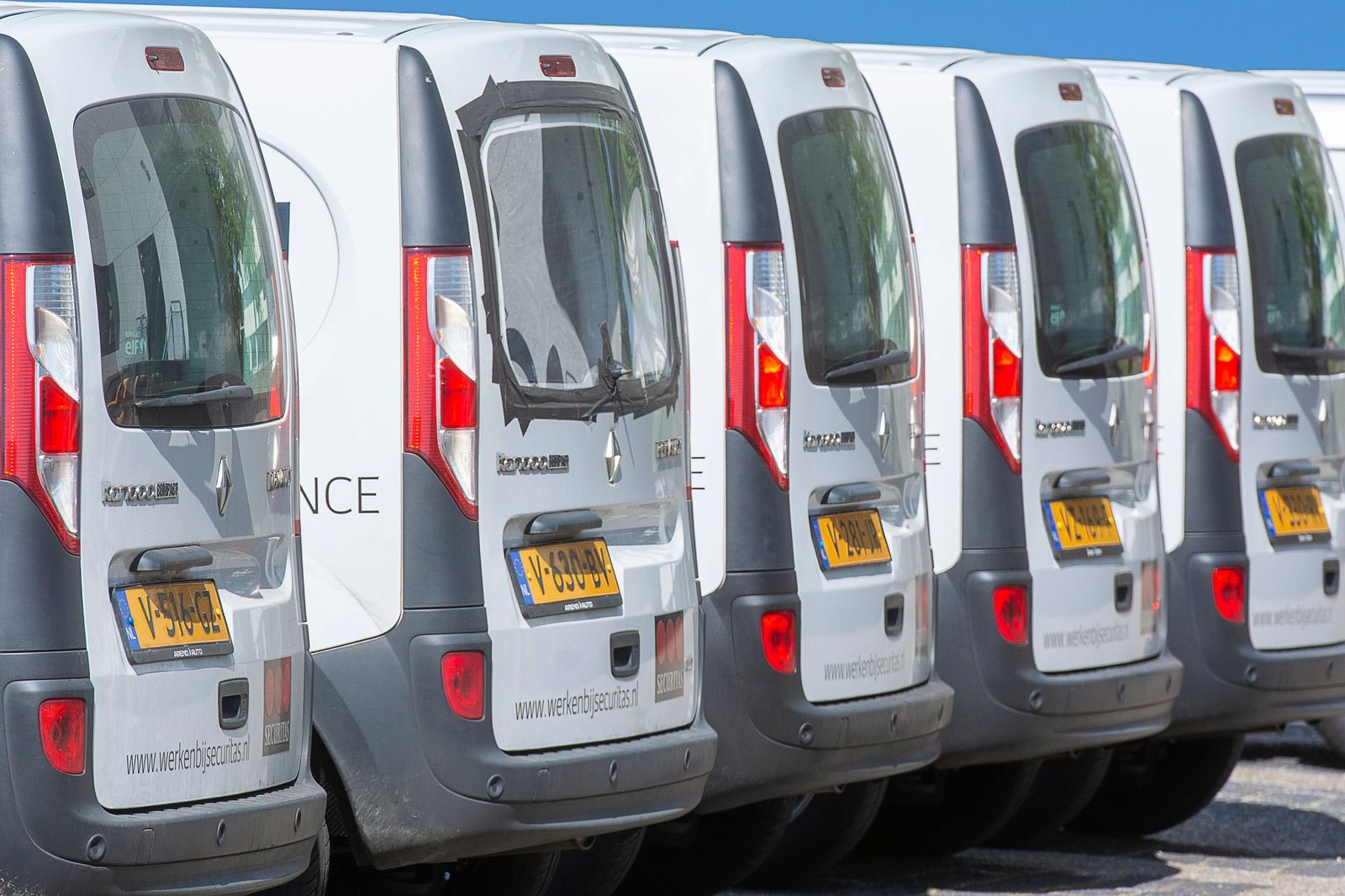
Machinery, plant and vans paid for over their working life.

Premises to trade from, buildings to develop and loans to bridge a gap.
Money from investors in return for shares in the company.

Public money for set purposes, usually matched by the business.
| What it pays for | How it is repaid | What secures it | |
|---|---|---|---|
| Term loan | A one-off cost: growth, a refit, refinancing | Monthly, over an agreed term | Nothing, business assets or a personal guarantee |
| Revolving credit facility | Gaps in cash flow | As cash comes in, with the limit available to draw again | The business’s trading, and sometimes a personal guarantee |
| Invoice finance | Waiting for customers to pay | When customers pay their invoices | The invoices |
| Asset finance | Equipment, machinery and vehicles | Monthly, over the asset’s working life | The asset |
| Merchant cash advance | Short-term needs of a card-taking business | A share of each day’s card takings | Future card takings |
| Commercial mortgage | Business premises | Monthly, over a long term | The property |
| Bridging loan | A property purchase before longer funding is in place | In one sum, from a sale or a refinance | Property |
| Equity investment | Growth the business cannot borrow for | Not repaid: investors own shares | Shares in the company |
Each trade borrows for different things and is judged on different evidence. A lender to a care home looks at occupancy and fee levels; a lender to a haulage firm looks at the fleet and the operator licence.

Restaurants and cafes fund kitchens, refits, second sites and premises, and a lender reads their card takings first.

A freehold, a lease and a tie each change what a lender will fund for a pub, and the premises licence is checked first.

A lender funds a hotel purchase, refurbishment or extension on the strength of the building and its trade together.

Shops fund stock before the season with facilities they draw and repay, and fund shopfits and premises with loans and mortgages.

Online sellers fund the weeks between paying a supplier and receiving a marketplace payout, and lenders read their sales data to decide.

Salons fund fit-outs, laser equipment and second salons, and a lender checks the treatment licences before it lends.

Gyms fund equipment, fit-outs and new sites in different ways, and lenders judge them on membership income.

Nurseries fund extra places and new settings against an income that comes mostly from funded hours paid by the council.
GOV.UK Find a Grant listed 127 grants open to businesses when the finder was last updated. They run from national research councils to local councils, and the finder sorts them by closing date.
Connect the business bank account to Swoop and it compares what the business pays for banking, insurance, energy and international payments with other providers, and can switch the ones that cost more.
The monthly repayment on a business loan, the interest over the term and the total you repay with the arrangement fee.
Work it out →Two loan offers side by side: the monthly payment, the total repaid with fees, and the difference in pounds.
Work it out →Your profit against all your loan repayments, new and existing, as the cover ratio a lender works out.
Work it out →The monthly payment on equipment or vehicle finance with a deposit and a balloon payment, and what the finance costs in total.
Work it out →The monthly repayment on a commercial mortgage, the loan to value and the total repaid with fees.
Work it out →The interest and fees on a bridging loan with interest rolled up, and what each extra month before the exit adds.
Work it out →The cash an invoice finance facility releases and its total cost for a year, with the service fee on turnover included.
Work it out →Converts a merchant cash advance factor rate into the total you repay and an approximate yearly cost.
Work it out →The days between paying for stock and being paid by customers, and the working capital that gap ties up.
Work it out →The monthly payment and total cost of funding a VAT or corporation tax bill over a few months.
Work it out →Your shareholding after an investment round, from the pre-money valuation, the amount raised and any new option pool.
Work it out →Your share of borrowing you have guaranteed, set against life cover that would pay the lender.
Work it out →A lender sets the limit from your debt service cover: the cash the business generates in a year divided by a year’s repayments on all its loans. Work backwards from the minimum cover a lender accepts and you reach the largest yearly repayment, and from that the largest loan. The full answer.
A lender reads the company's bank statements and works out whether its cash covers every loan repayment with room to spare. It then checks the trading history, the Companies House record, the credit files of the company and its directors, and what the money is for. The full answer.
Yes. A lender has no trading record to read, so it leans on the founders’ credit files, the business plan and any security. The government’s Start Up Loans scheme lends up to £25,000 to people starting or running a business that has traded for less than 60 months, at a fixed 7.5% a year (at November 2026). The full answer.
A secured loan gives the lender a charge over an asset, such as property, equipment or everything the company owns, and that security can support a larger loan over a longer term. An unsecured loan has no charge over a named asset, and a lender can still ask a director for a personal guarantee. The full answer.
A lender declines an application that falls outside its lending criteria: the bank statements, the trading history, the sector, the debt service cover, a credit file or the security on offer. Ask the lender which criterion the application missed, fix what can be fixed, and apply next to a lender whose criteria the business meets. The full answer.
A debenture is a legal document that gives a lender security over a company’s assets, through fixed charges over named assets and a floating charge over the rest. It must be registered at Companies House, and it decides where the lender stands if the company becomes insolvent. The full answer.
Limited companies and limited liability partnerships of any size, and sole traders and partnerships borrowing more than £25,000. Borrowing of £25,000 or less by a sole trader or a partnership is regulated credit, and the government’s Start Up Loans scheme lends at that size.
Swoop does not run a credit check on you or the business unless an application goes to a funding provider with your permission. The provider runs its own checks when it considers the application.
No. Swoop Finance Limited is a credit broker. It introduces the business to lenders, investors and grant bodies, and the provider decides and sets the terms.
Swoop receives commission from the finance provider when funding is arranged, either a fixed fee or a percentage of the amount the business receives. Buzz Accounting Ltd, which introduces businesses to Swoop, may receive a fee from Swoop.
Yes. Swoop’s platform covers loans and other debt, equity investment from angels and funds, and grants, and the same account runs the business savings check. Equity investment and the grant finder.
Yes. Cover for a guarantee is protection advice from our advisers. What a personal guarantee means for a director.
Finance is subject to status and to the lender’s terms. A personal guarantee makes you liable for the company’s debt if it does not repay, and it can be enforced against your own assets, including your home. Nothing here is a personal recommendation.
Funding searches run on Swoop’s platform. Swoop Finance Limited is a credit broker and not a lender, and is authorised and regulated by the Financial Conduct Authority (FRN 936513). Buzz Accounting Ltd introduces businesses to Swoop and may receive a fee from Swoop when funding is arranged. Business funding is separate from the financial advice Equity & General Financial Services Limited gives through this website. Finance is subject to status, and a lender may ask a director for a personal guarantee.
If a lender asks you to guarantee the company’s borrowing, our advisers can advise on life cover for that debt.