Where this fits
What the proceeds do next is the part we plan with you.

Sunny Bharj
Independent Financial Adviser
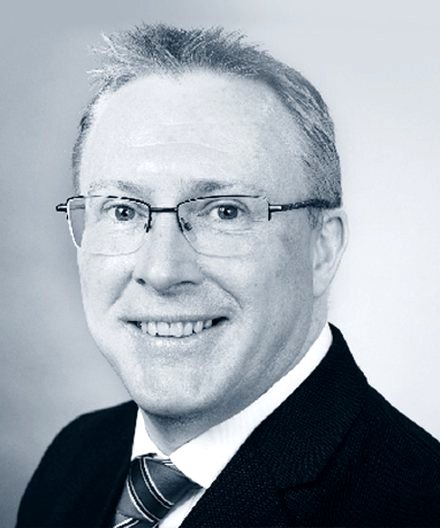
Tony Springer
Independent Financial Adviser
From 6 April 2026, qualifying gains up to your £1 million lifetime limit are taxed at 18% under Business Asset Disposal Relief. Above that a higher rate taxpayer pays 24%. On a £1,500,000 gain that comes to about £299,280.
Rates from gov.uk, 2026/27, checked 2 October 2026. A basic rate taxpayer pays 18% on gains within their unused basic rate band.
The rate under Business Asset Disposal Relief was 10% until 5 April 2025, 14% for 2025/26 and 18% from 6 April 2026. On the first £1 million of gains, that is a difference of £80,000 between a sale before April 2025 and one today.
The relief has conditions about the shares you hold and your role in the company, and your accountant confirms whether a sale qualifies before it completes.
The first million is taxed at 18%. Everything above it is taxed at 24%, and the line is drawn across your whole life.
No. It is a lifetime limit on gains that qualify for the relief.
Capital gains tax on a business sale is reported and paid through your tax return. Your accountant will confirm the dates for your sale.
What the proceeds do next is the part we plan with you.
Independent Financial Adviser
Independent Financial Adviser
A first conversation of about twenty minutes, at no cost to you. Tell us what is on your mind: a pension you have lost track of, a fixed rate ending, a will you keep meaning to write.