Plant and machinery finance

Plant and machinery finance pays for construction plant, farm machinery and production equipment through hire purchase or leasing, with the machine as security. Funders finance used and auction equipment as well as new, once they can identify and value it. A company buying new plant claims full expensing; used plant qualifies for the annual investment allowance.

What the money is for

Construction

Excavators, dumpers, telehandlers, cranes, rollers, access platforms and site cabins. Contractors finance plant to take on a contract, and plant hire firms to grow their hire fleet.

Agriculture

Tractors, combines, sprayers, balers, telehandlers, milking robots and grain dryers. Payments can be arranged around when the farm is paid, such as once a year after harvest.

Manufacturing

CNC machines, presses, injection moulding, packaging and labelling lines, lasers and robotics. The finance spreads the cost over the output the machine produces.

How plant and machinery finance works

The funder pays the dealer or the seller, and your business repays it monthly, quarterly or annually over a fixed term. Most plant is financed on hire purchase, which leaves the business owning the machine at the end and lets a company claim the capital allowances from the day the machine is in use. Leasing suits equipment you will replace before it is worn out.

Mainstream plant has an active second-hand market. An excavator, telehandler or tractor from a mainstream maker sells at auction years after it was new, which gives the funder a way out if the business fails, and lets it consider younger businesses and longer terms. Specialist machines built for one process are harder to resell, so the funder leans more on the strength of the business and may want a larger deposit or a personal guarantee from the directors.

Payment profiles can follow the business. A farm paid once a year for its crop can ask for annual or seasonal payments. A contractor starting a long job can ask for lower payments in the first months. The funder decides whether to offer them, and a funding search shows which funders do.

The funding search through Swoop is for limited companies and LLPs, and for sole traders and partnerships borrowing more than £25,000. Plant finance below that sum for a sole trader or small partnership is regulated credit, which the people introducing businesses here are not authorised to arrange.

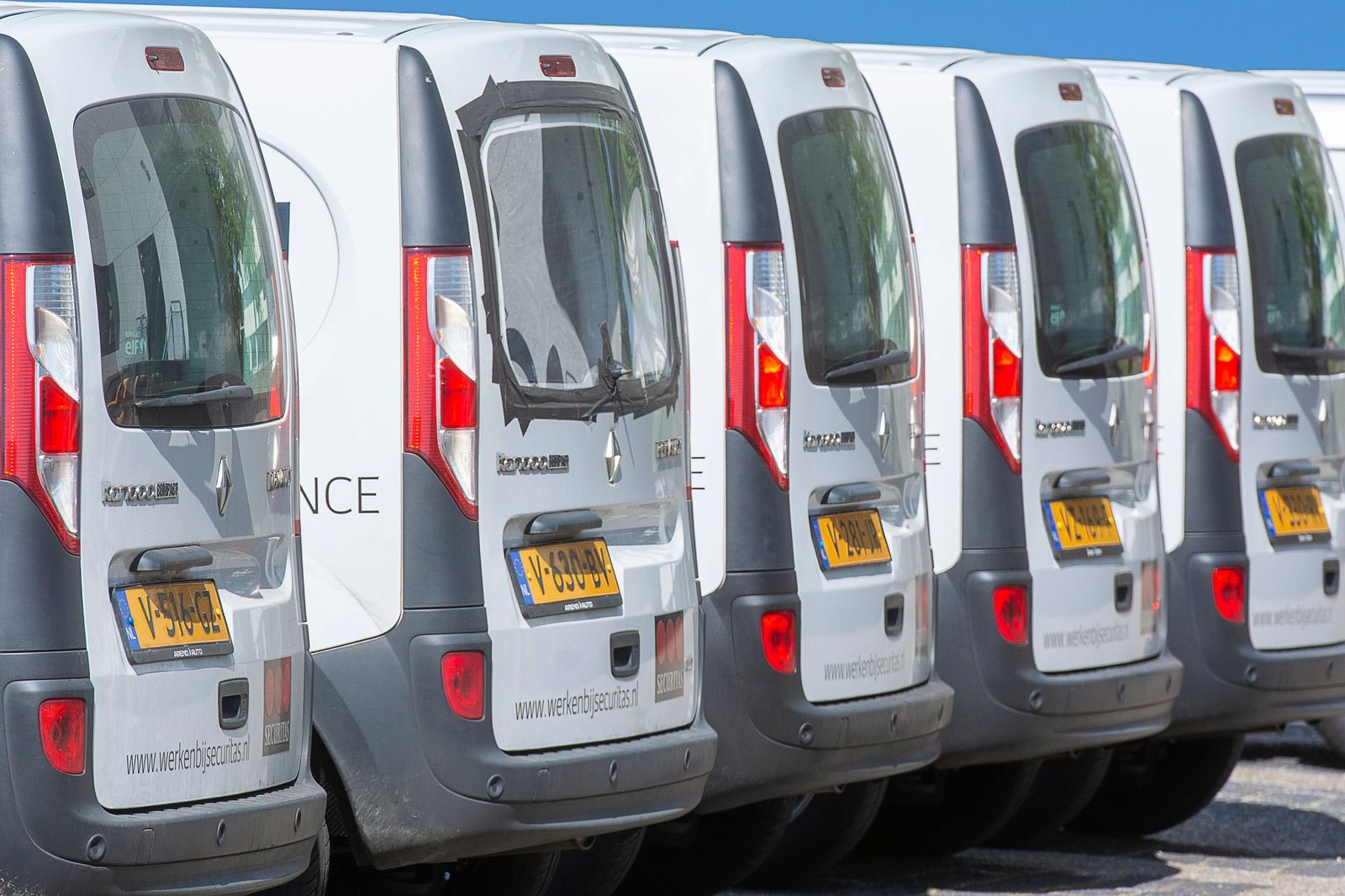
A row of white company vans with UK number plates

Used and auction equipment

Funders finance used plant from dealers, from other businesses and from auctions. They want to know exactly what the machine is: make, model, year, serial number and hours, with photographs and the seller’s details. For an older or specialist machine they may send an engineer or a valuer to inspect it.

An auction needs planning before the sale day. The auction’s own conditions set the deposit and when the balance is due, and a winning bid is a binding contract. Agree the finance in principle beforehand, with a ceiling price, and confirm the funder will pay the auction house within the time its conditions allow. If the finance is not in place by then, the business has to pay the balance from its own cash or lose the deposit.

  • Agree finance in principle and a ceiling price before you bid
  • Check the auction’s conditions for the deposit and payment date
  • Ask the seller and the funder to confirm no finance is still owed on the machine

Financing a used excavator

Illustrative example

A contracting company buys a used excavator from a dealer for £38,000 plus VAT on hire purchase over 36 months, with an assumed deposit of £3,800 and an assumed interest rate of 10% a year on the reducing balance.

Price
£38,000.00
VAT at 20%, paid at the start and reclaimed
£7,600.00
Deposit (assumed)
£3,800.00
Amount financed
£34,200.00
Monthly payment, 36 months at an assumed 10% a year
£1,103.54
Interest over the term
£5,527.36
Annual investment allowance claimed in year one
£38,000.00
Corporation tax saved at the 25% main rate
£9,500.00

Because the excavator is used, it does not qualify for full expensing. The annual investment allowance gives the same 100% deduction on up to £1 million of plant and machinery a year, new or used, so the company still deducts the full £38,000 in the year the machine goes to work, provided it has the profits to set it against and has not used its allowance elsewhere.

What a funder asks for on used plant

Capital allowances on plant and machinery

A company buying new main-rate plant and machinery claims full expensing: 100% of the cost against profits in the year of purchase, including when it buys on hire purchase. New special-rate assets, such as long-life assets and integral features of a building, get a 50% first-year allowance. Used plant does not qualify for either, so it relies on the annual investment allowance of £1 million a year, shared between companies under common control.

Sole traders and partnerships, including farming partnerships, cannot claim full expensing. They have the annual investment allowance and, for new main-rate plant bought from 1 January 2026, a 40% first-year allowance, raised to 50% for expenditure from 1 January 2027 in the Budget on 28 October 2026. Spending above the annual investment allowance that gets no first-year allowance goes into the main pool, where the writing-down allowance falls from 14% to 12% a year from April 2027.

Plant hire firms need to check one point. Plant bought to lease to others is excluded from full expensing. A machine hired out without an operator is leased; hire with an operator can count as a service, and the Capital Allowances Manual at CA23115 sets out the line. Leased plant can still get the annual investment allowance and the 40% first-year allowance, so a hire firm buying new machines for bare hire still gets relief in the first year, at a lower rate than full expensing.

When a fully expensed machine is sold, the sale price is added back to profits as a balancing charge. Plan the timing of a sale or part-exchange with your accountant, especially in a year of high profits.

Asset finance calculator

The monthly payment on equipment or vehicle finance with a deposit and a balloon payment, and what the finance costs in total.

Questions people ask

Can I get finance on used plant machinery?

Yes. Funders finance used plant from dealers, private sellers and auctions once they can identify and value it: make, model, year, serial number, hours and photographs. Older or specialist machines may need an inspection. Used plant does not qualify for full expensing, but a company can deduct the full cost through the annual investment allowance.

Can I finance plant bought at auction?

Yes, if the finance is agreed in principle before the sale and the funder can pay within the time the auction’s conditions allow. A winning bid is binding. Set a ceiling price with the funder, and keep enough cash to cover the deposit and the balance if the finance is delayed.

Can farm machinery payments be made annually?

Some funders offer annual, half-yearly or seasonal payments so the instalments fall when the farm is paid, for example after harvest. The funder decides whether to offer them, and a funding search shows which funders do. Interest still builds between payments, so an annual profile costs more in interest than monthly payments on the same sum.

Does plant and machinery qualify for full expensing?

New and unused main-rate plant and machinery bought by a company qualifies, including on hire purchase. Used plant, cars and plant bought to lease to others do not, and sole traders and partnerships cannot claim it. Those cases use the annual investment allowance of £1 million a year and, for new plant, the main-rate first-year allowance.

Do I need a deposit for plant finance?

The funder sets any deposit from the machine, its age and resale value, and the strength of the business. On hire purchase you also pay the VAT on the full price at the start, which a VAT-registered business reclaims on its next return. Plant you already own can sometimes serve as part of the deposit through asset refinance.

Finance is subject to status and to the lender’s terms. A personal guarantee makes you liable for the company’s debt if it does not repay, and it can be enforced against your own assets, including your home. Nothing here is a personal recommendation.

Assets and property

Start a funding search

Funding searches run on Swoop’s platform. Swoop Finance Limited is a credit broker and not a lender, and is authorised and regulated by the Financial Conduct Authority (FRN 936513). Buzz Accounting Ltd introduces businesses to Swoop and may receive a fee from Swoop when funding is arranged. Business funding is separate from the financial advice Equity & General Financial Services Limited gives through this website. Finance is subject to status, and a lender may ask a director for a personal guarantee.

Cover for a personal guarantee

If a lender asks you to guarantee the company’s borrowing, our advisers can advise on life cover for that debt.