Hire purchase for business

Hire purchase lets your business buy an asset in monthly instalments and own it once the final payment is made. A company is treated as the owner for capital allowances from the day the asset goes into use, so new main-rate plant bought on hire purchase qualifies for full expensing. You pay the VAT on the full price at the start and reclaim it on your VAT return.

How hire purchase works

The funder buys the asset from your supplier and hires it to your business. You pay a deposit, then a fixed number of monthly instalments, and at the end a small option-to-purchase fee. When that fee is paid, ownership passes to the business. Until then the funder owns the asset, so you cannot sell it, lend it out or use it as security for anything else.

The interest is fixed when you sign, which makes the monthly cost certain for the whole term. Funders quote business hire purchase in different ways. Some show a flat rate, charged on the original amount borrowed for every year of the term. Others show a rate on the reducing balance, charged only on what is still owed. A flat rate looks lower for the same cost: on £54,000 over four years, a 9% reducing-balance rate works out at a flat rate of 4.86% a year. Compare offers on the total amount payable in pounds.

For a company, hire purchase is the form of asset finance that keeps the tax position closest to buying outright. The law treats the business as the owner for capital allowances while it is still paying, and the interest is deducted from profits as a finance cost.

What hire purchase costs

Illustrative example

A company buys a new machine for £60,000 plus VAT on hire purchase over 48 months, with an assumed deposit of £6,000 and an assumed interest rate of 9% a year on the reducing balance.

Price of the machine
£60,000.00
VAT at 20%, paid at the start
£12,000.00
Deposit (assumed)
£6,000.00
Amount financed
£54,000.00
Monthly payment, 48 months at an assumed 9% a year
£1,343.79
Total of the 48 payments
£64,502.03
Interest over the term
£10,502.03
Cost of the machine with interest, VAT reclaimed
£70,502.03

The company reclaims the £12,000 VAT on its next VAT return, so it pays out £18,000 at the start and has £12,000 of it back when the return is processed. If the machine is new main-rate plant, full expensing deducts the whole £60,000 from taxable profits for the year it goes into use. At the 25% main rate of corporation tax that reduces the bill by £15,000, provided the company has £60,000 of profits to set it against. The £10,502.03 of interest is deducted as a finance cost across the four years.

Balloon payments

A balloon is a larger final payment that lowers each monthly instalment. Take the same machine with a balloon of £12,000 at the end. The monthly payment falls from £1,343.79 to £1,135.17, which helps cash flow every month for four years. The interest rises from £10,502.03 to £12,488.25, because more of the debt is outstanding for longer.

The balloon has to be paid on the date in the agreement. You can pay it from cash, refinance it with a new agreement, or sell the asset and pay it from the proceeds. Set the balloon below what you expect the asset to be worth at that date. If the machine is worth less than the balloon, the business pays the difference from its own money.

A balloon makes sense when the asset holds its value well and the business wants lower payments while the asset earns. It makes less sense on equipment that wears out or goes out of date, where you could reach the end owing more than the machine will fetch.

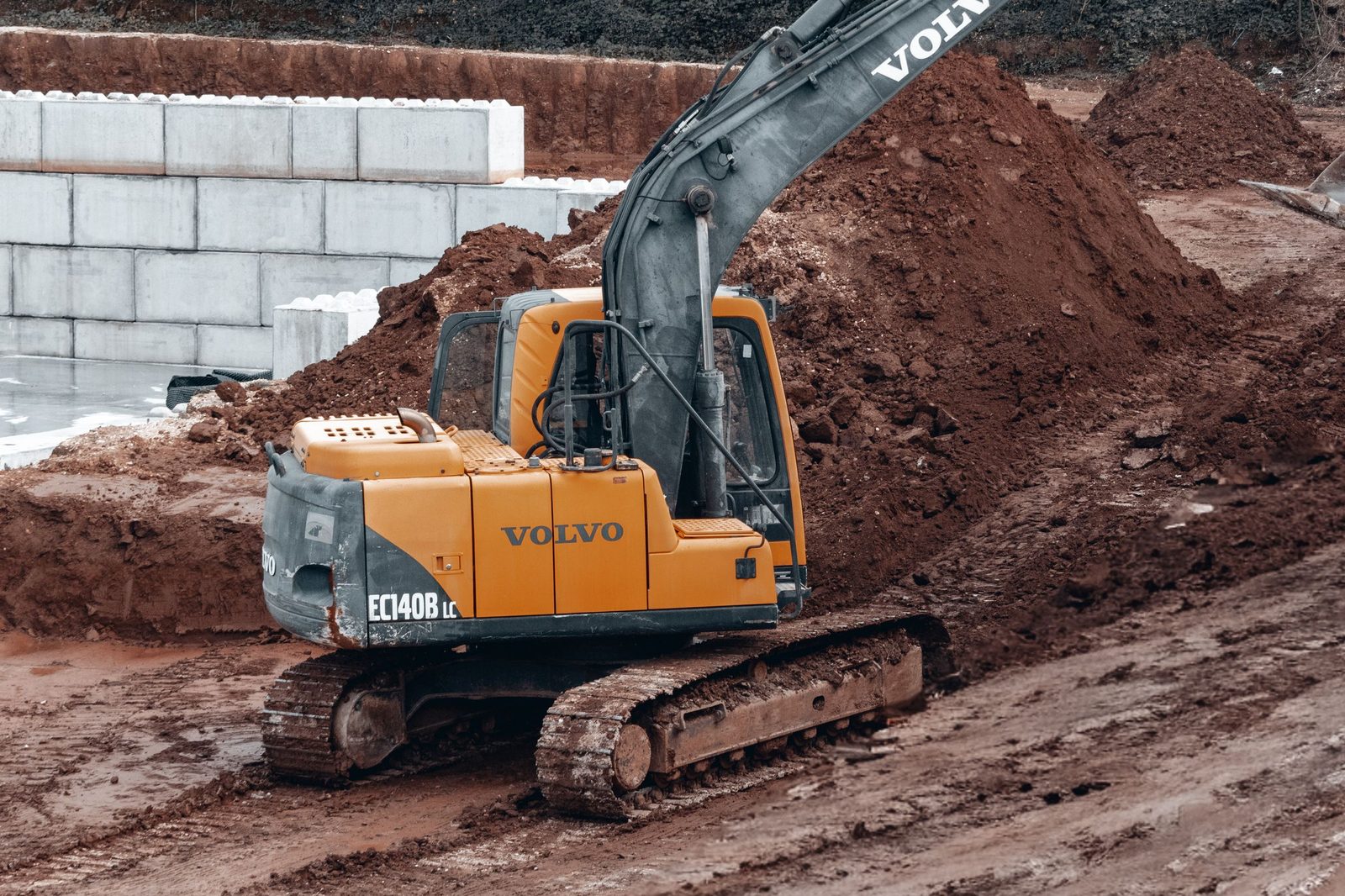
An excavator moving earth on a construction site

Who hire purchase suits

Hire purchase fits a business that wants to own the asset and will keep it for most of its working life. Plant, tractors, machine tools, commercial vehicles, catering equipment and printing presses are typical. A company that pays corporation tax at the main rate and buys new equipment gets the most from it, because full expensing brings the tax relief into the first year while the payments are spread over several.

It fits less well where the asset will be obsolete before the term ends, or where the business has no use for the allowances. A lease puts the resale risk and the allowances with the funder in those cases.

  • New main-rate plant bought by a profitable company
  • Used equipment, which still qualifies for the annual investment allowance
  • Assets with a strong second-hand market, if a balloon is used

Terms in a hire purchase agreement

Deposit
The amount paid at the start, set by the funder. A larger deposit reduces the amount financed and the interest.
Option-to-purchase fee
A small fee with the last payment that transfers ownership to the business.
Balloon
A larger final payment that lowers the monthly instalments and raises the total interest.
Flat rate
Interest charged on the original amount for the whole term. It reads lower than a reducing-balance rate for the same cost.
Settlement figure
What the funder asks to end the agreement early: the outstanding balance, less any rebate of future interest the agreement allows.
Default
Missing payments or breaking a condition such as insurance. The funder can end the agreement and recover the asset.

Tax and VAT on hire purchase for a company

Section 67 of the Capital Allowances Act 2001 treats the business making the payments as the owner of the asset for capital allowances. The company can claim allowances on the whole price, including the instalments it has not paid yet, as soon as the asset is brought into use. The interest is not part of that claim; it is deducted from profits as a finance cost.

For a company buying new main-rate plant and machinery, full expensing gives a 100% deduction in the year of purchase. New special-rate assets, such as integral features of a building and long-life assets, get a 50% first-year allowance with the rest in the 6% special-rate pool. Used equipment does not qualify for full expensing, though the annual investment allowance covers up to £1 million a year of plant and machinery, new or used. Cars qualify for none of these; they have their own rules, set out under vehicle finance.

Sole traders and partnerships cannot claim full expensing. They use the annual investment allowance, and since 1 January 2026 a 40% first-year allowance on new main-rate plant. The Budget on 28 October 2026 raised that allowance to 50% for expenditure from 1 January 2027, and cut the main-rate writing-down allowance from 14% to 12% from April 2027.

When the company sells a fully expensed asset, the sale price comes back as a balancing charge and is taxed. A machine sold for £20,000 after full expensing adds £20,000 to taxable profits in the year of sale.

For VAT, hire purchase is a supply of goods. VAT is due on the full cash price at the start of the agreement, and the interest, when it is shown separately, is exempt from VAT. A VAT-registered business reclaims the VAT on its next return, subject to the normal rules; VAT on a car is blocked unless the car is used only for business.
At the end of the term

Once the final instalment, any balloon and the option fee are paid, the asset belongs to the business and the funder has no further claim on it. Keep the funder’s letter confirming the agreement is settled. A buyer of the equipment will ask for it, and for a vehicle the finance marker should come off the register.

You can end the agreement early by paying the settlement figure. Ask for it in writing, with the date it is valid to, and check how much of the future interest is rebated. Some agreements rebate little. Settling early to sell the asset, or to refinance on better terms, can still pay if the numbers work.

Insurance and maintenance

The asset is your responsibility from day one

The agreement makes the business insure the asset for its full value, with the funder noted on the policy, and keep it maintained. If the asset is written off, the insurer pays the funder first and the business pays any shortfall between the payout and the settlement figure.

Asset finance calculator

The monthly payment on equipment or vehicle finance with a deposit and a balloon payment, and what the finance costs in total.

Questions people ask

Who owns the asset on hire purchase?

The funder owns it until the last payment and the option-to-purchase fee are made, and then ownership passes to your business. For capital allowances, though, a business on hire purchase is treated as the owner from the day the asset is brought into use, so it can claim the allowances on the whole price straight away.

Can you claim full expensing on hire purchase?

Yes, for a company buying new and unused main-rate plant and machinery. Section 67 of the Capital Allowances Act 2001 treats the company as owner once the asset is in use, so it can claim full expensing on the whole price that year. Cars and used equipment do not qualify, and sole traders and partnerships cannot claim full expensing at all.

Can I claim VAT back on hire purchase?

A VAT-registered business reclaims the VAT on the full cash price on the VAT return for the period the agreement starts, subject to the normal rules. The interest is exempt from VAT when it is shown separately, so there is no VAT on it to reclaim. VAT on a car is blocked unless the car is used only for business.

Is hire purchase interest tax deductible?

For a business, yes. The interest is a finance cost, deducted from profits over the term of the agreement. It is kept separate from the capital allowances claim, which covers the price of the asset and not the interest.

Can I pay off hire purchase early?

Yes, by paying the settlement figure the funder quotes. That is the outstanding balance less any rebate of future interest the agreement allows. Ask for the figure in writing with the date it is valid to. Once it is paid the asset is yours.

What is the difference between hire purchase and leasing?

On hire purchase you own the asset at the end, claim the capital allowances yourself and pay the VAT up front. On a lease the funder keeps ownership and claims the allowances, VAT is charged on each rental, and at the end you return the asset, rent it on or sell it for the funder. Equipment leasing sets out the types.

Finance is subject to status and to the lender’s terms. A personal guarantee makes you liable for the company’s debt if it does not repay, and it can be enforced against your own assets, including your home. Nothing here is a personal recommendation.

Assets and property

Start a funding search

Funding searches run on Swoop’s platform. Swoop Finance Limited is a credit broker and not a lender, and is authorised and regulated by the Financial Conduct Authority (FRN 936513). Buzz Accounting Ltd introduces businesses to Swoop and may receive a fee from Swoop when funding is arranged. Business funding is separate from the financial advice Equity & General Financial Services Limited gives through this website. Finance is subject to status, and a lender may ask a director for a personal guarantee.

Cover for a personal guarantee

If a lender asks you to guarantee the company’s borrowing, our advisers can advise on life cover for that debt.