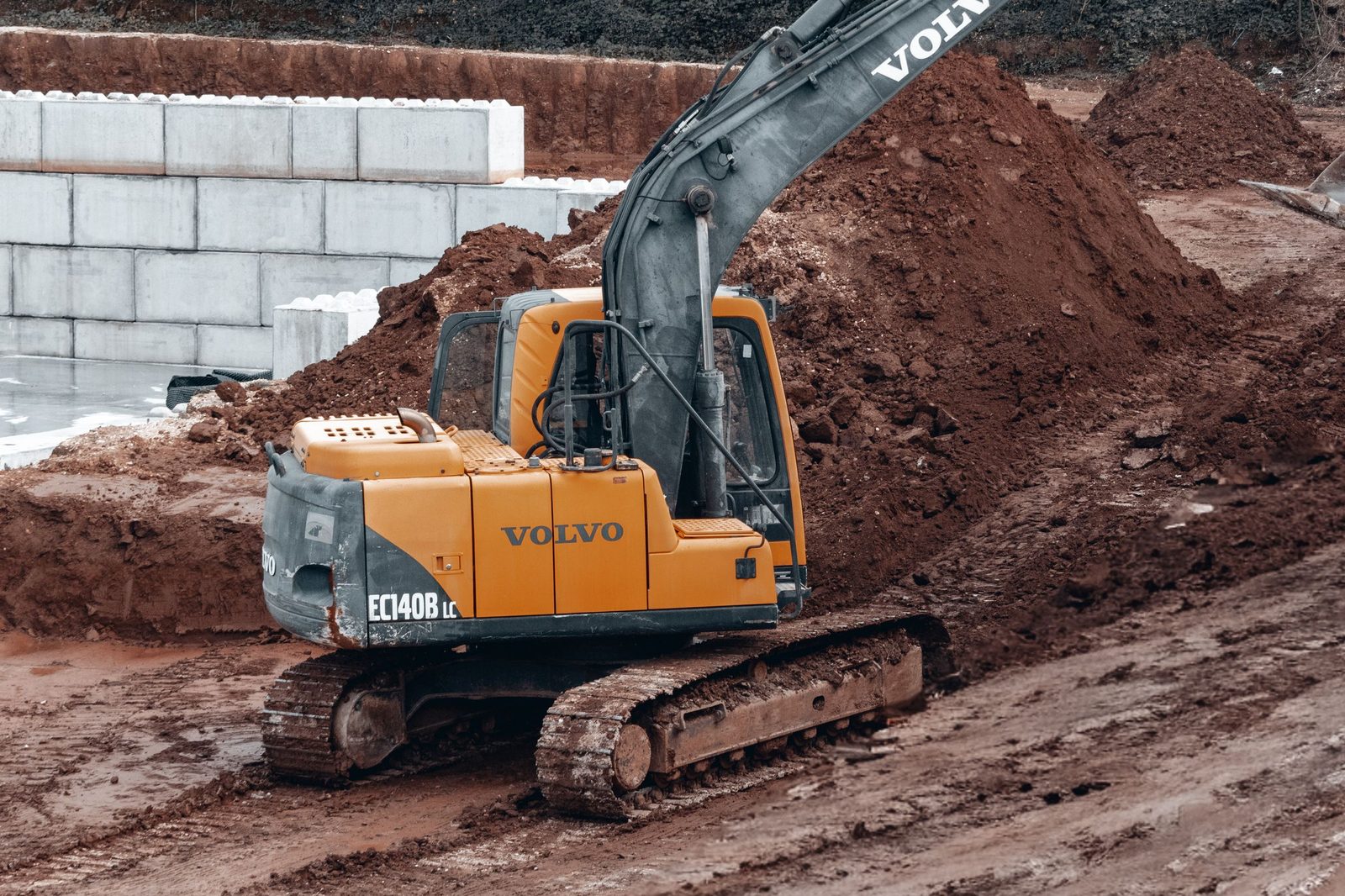
Asset finance
Asset finance pays for equipment, vehicles and machinery in monthly instalments over the years you use them, with the asset as the funder’s main security.
Asset finance pays for equipment, vehicles and machinery in monthly instalments over the years you use them, with the asset as the funder’s main security.
It comes as hire purchase, a finance lease, an operating lease, contract hire, or a refinance of equipment you already own. The five differ in who owns the asset, when you pay the VAT, who claims the tax allowances and what happens at the end of the term.
A funder buys the asset from your supplier, or lends against an asset you own, and your business repays it in monthly instalments over a fixed term. The asset is the security. If the payments stop, the funder can recover the asset and sell it. That is why a funder will lend against a machine to a business it would not lend the same sum to unsecured.
Because the asset carries much of the risk, the funder looks at the asset as closely as at your accounts. It wants to know what the equipment will fetch in three or five years, how easily it can be resold and whether it can be moved. A van, a tractor or an excavator has a deep second-hand market. Tooling built for one production line has a thin one, and the terms on offer reflect that. Software, fit-out and installation costs have little resale value, so a funder lends against them on the strength of the business and may ask the directors for a personal guarantee.
The funding search through Swoop is for limited companies and LLPs, and for sole traders and partnerships borrowing more than £25,000. Finance of £25,000 or less to a sole trader or a small partnership is regulated consumer credit, which the people introducing businesses here are not authorised to arrange. A new unincorporated business borrowing less can look at the government’s Start Up Loans scheme or ask its own bank.
| Hire purchase | Finance lease | Operating lease or contract hire | Refinance | |
|---|---|---|---|---|
| Who owns it during the term | The funder, until the last payment | The funder | The funder | The funder, which buys the asset from you or takes a charge over it |
| At the end of the term | Ownership passes to you | You rent it on for a small secondary rental, or sell it for the funder and keep the share of the proceeds the agreement sets | You hand it back or replace it | The asset is yours again, clear of the funder |
| When you pay VAT | On the full price at the start | On each rental | On each rental | Depends on whether the funder buys the asset or lends against it |
| Who claims capital allowances | You | The funder | The funder | Changes when the funder buys the asset; see asset refinance |
| Who carries the resale value | You | You, through the final sale | The funder | You |
Each type has its own page: hire purchase, equipment leasing for finance and operating leases, vehicle finance for contract hire, and asset refinance.
Hire purchase suits an asset you intend to keep for most of its working life: a CNC lathe, a tractor, a refrigerated van you will run into the ground. You own it at the end, and a company can claim full expensing on new main-rate plant bought this way, which takes the whole cost off taxable profits in the year the asset goes into use. You pay the VAT on the full price at the start and reclaim it on your next VAT return.
A lease suits an asset that loses its value or goes out of date before you are finished with it: IT hardware, medical imaging, a car fleet you replace every three years. You pay for the use of the asset over the term, VAT comes with each rental, and on an operating lease the funder takes the risk of what the asset will be worth when you hand it back. The funder claims the capital allowances and prices them into the rental.
Contract hire is an operating lease for vehicles, often with servicing, tyres and breakdown cover folded into one monthly rental. It turns a fleet into a fixed monthly cost, with mileage and condition charges at the end if the vehicles come back over the limits.
Refinance runs the other way. The business already owns the asset, or owns most of it, and raises cash against it. A funder buys the asset and sells it back to you on hire purchase, or lends with the asset as security. It suits a business that has paid cash for equipment and now needs working capital, or one with an agreement nearly paid off and value left in the machine.

The funder checks the business, the directors and the asset. For a company that means the filed accounts and recent management figures, business bank statements, the credit files of the company and its directors, and any finance already secured on the company’s assets at Companies House.
For the asset it wants the supplier’s quote with the make, model and age, and for a used asset its serial number and a valuation. Have these ready before a funding search so the funders who respond can quote on real figures:
Agree the specification and price with the supplier. The funder pays the supplier, so the quote has to be in the business’s name and show VAT separately.
A funding search through Swoop matches the business and the asset with funders whose criteria fit. Each funder sets its own rate, term and deposit.
The chosen funder checks the business and the directors, values the asset and sends the agreement for signature, with any guarantee it requires.
The supplier delivers, you confirm the asset has arrived in working order, and the funder pays the supplier. Your payments start on the dates in the agreement.
An asset finance agreement runs for its full term. Ending it early means paying a settlement figure, which on a lease can come close to the remaining rentals. Ask for the early settlement terms before you sign, in pounds, for a settlement after one year and after two.
On hire purchase and finance leases, you insure and maintain an asset you do not yet own. If it is written off, the insurer pays the funder first, and if the payout is less than the amount outstanding, the business pays the difference. Gap insurance covers that difference, at a cost.
Signing the delivery note before the asset arrives causes real damage. The funder pays the supplier on that note, and if the supplier then fails to deliver, the agreement still runs. Sign only when the asset is on site and working.
Finance secured on equipment also shows on the business’s credit file and, for a company, a lender may register a charge at Companies House. Other lenders see it when they assess the business later, so an asset finance agreement taken this year shapes what you can borrow next year.
Check what happens on the last day: an option-to-purchase fee on hire purchase, a balloon payment, a secondary rental on a finance lease, or return conditions on an operating lease. Each one is a cost, and each is written into the agreement you sign.
Hire purchase spreads the cost of an asset over monthly payments, and the business owns it once the last one is made.
Read more →A lease lets the business use equipment for a monthly rental while the funder keeps ownership.
Read more →Asset refinance raises cash against equipment, vehicles or machinery the business already owns.
Read more →Vehicle finance covers vans, cars and fleets through hire purchase, lease purchase or contract hire.
Read more →Plant and machinery finance pays for excavators, tractors and machine tools, new or used, over their working life.
Read more →A commercial mortgage is a long-term loan secured on premises the business uses or a building let to tenants.
Read more →A commercial bridging loan is short-term finance secured on property until a sale or a longer-term loan repays it.
Read more →Development finance pays for building or refurbishing property in stages, and is repaid when the finished scheme is sold or refinanced.
Read more →Buying premises can be done through the company, personally or in a pension, and each changes the tax and the funding.
Read more →The monthly payment on equipment or vehicle finance with a deposit and a balloon payment, and what the finance costs in total.
Asset finance is borrowing to buy or use equipment, vehicles or machinery, where the asset itself is the funder’s main security. You repay in monthly instalments over a fixed term. The main types are hire purchase, where you own the asset at the end, finance and operating leases, where you rent it, contract hire for vehicles, and refinance, where you raise cash against equipment you already own.
Yes, with fewer funders to choose from. A business without filed accounts gives the funder less to assess, so it leans on the asset’s resale value, a larger deposit and the directors’ own credit records, and it may ask for a personal guarantee. An asset with a strong second-hand market, such as a van or a tractor, is easier to fund for a new business than specialist equipment.
Hire purchase and refinance work like a secured loan: you borrow the cost of the asset and repay it with interest. A lease is a rental agreement. You pay for the use of the asset and the funder keeps ownership. The difference decides the VAT, who claims the capital allowances and what happens at the end of the term.
Hire purchase agreements commonly ask for a deposit, and leases may ask for one or more rentals in advance. The funder sets the amount from the asset, its resale value and the business’s credit record. On hire purchase you also pay the VAT on the whole price at the start, which a VAT-registered business reclaims on its next return.
Yes. Funders finance used vehicles, plant and machinery, including equipment bought at auction or from another business. They want the age, hours or mileage, the serial number and a valuation, and they check that no finance is still owed on it. Used assets do not qualify for full expensing, though a company can still claim the annual investment allowance on them.
Talk to the funder before you miss a payment. It can sometimes extend the term or change the payment dates. If payments stop, the funder can end the agreement, recover the asset and sell it, and claim any shortfall from the business and from anyone who signed a guarantee. Arrears also go on the business’s credit file.
Finance is subject to status and to the lender’s terms. A personal guarantee makes you liable for the company’s debt if it does not repay, and it can be enforced against your own assets, including your home. Nothing here is a personal recommendation.
Hire purchase spreads the cost of an asset over monthly payments, and the business owns it once the last one is made.
Read more →A lease lets the business use equipment for a monthly rental while the funder keeps ownership.
Read more →Asset refinance raises cash against equipment, vehicles or machinery the business already owns.
Read more →Vehicle finance covers vans, cars and fleets through hire purchase, lease purchase or contract hire.
Read more →Funding searches run on Swoop’s platform. Swoop Finance Limited is a credit broker and not a lender, and is authorised and regulated by the Financial Conduct Authority (FRN 936513). Buzz Accounting Ltd introduces businesses to Swoop and may receive a fee from Swoop when funding is arranged. Business funding is separate from the financial advice Equity & General Financial Services Limited gives through this website. Finance is subject to status, and a lender may ask a director for a personal guarantee.
If a lender asks you to guarantee the company’s borrowing, our advisers can advise on life cover for that debt.